Antibiotics
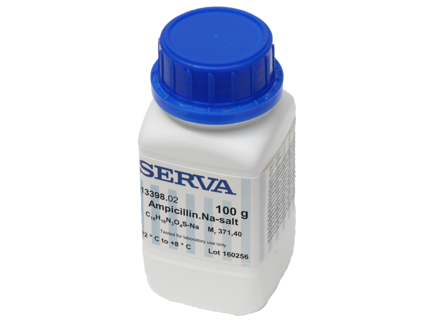
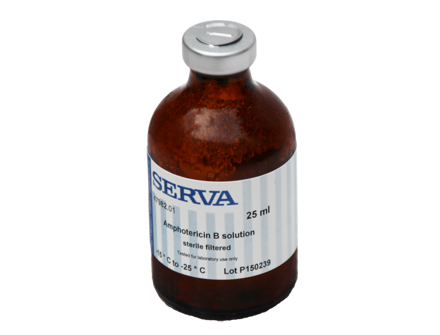
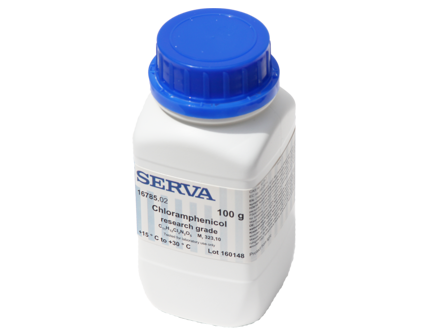
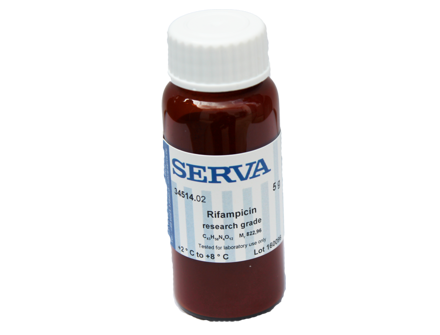
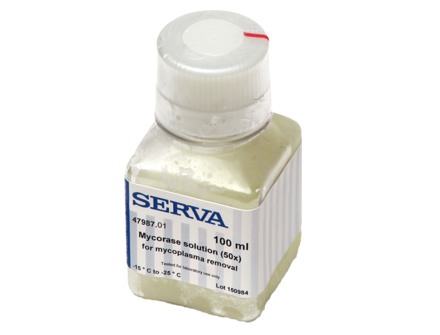
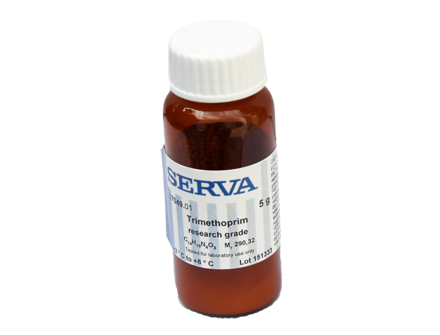
Antibiotics are low molecular weight secondary metabolites produced by certain strains of bacteria (mainly Bacillus species) and fungi (above all Streptomycetes). At low concentrations, they are either bactericidal by killing other microorganisms or bacteriostatic by reversibly inhibiting growth. The concept of antibiotics includes today also chemically or biochemically synthesized derivatives as well as substances from plants and animals with antibiotic activity. Antibiotics can be classified according to their mechanism of action. The major targets in the cell are:
- Cell Wall Synthesis
- Transcription and Replication
- Protein Synthesis
- Structure and Function of Cell Membranes
Besides, antibiotics can interact quite specifically in various metabolic
pathways.
In research, antibiotics are used in cell culture to prevent the
growth of contaminating bacteria, fungi and mycoplasma. In molecular biology,
some antibiotics can be used for the selection of resistant cell clones. Due
to their specific mechanism of action, antibiotics are also valuable tools in
the elucidation of cellular functions.
SERVA's antibiotics program is
categorized according to the mechanism of action.